Taiz Faces a Decade of Displacement with No Sustainable Solutions in Sight

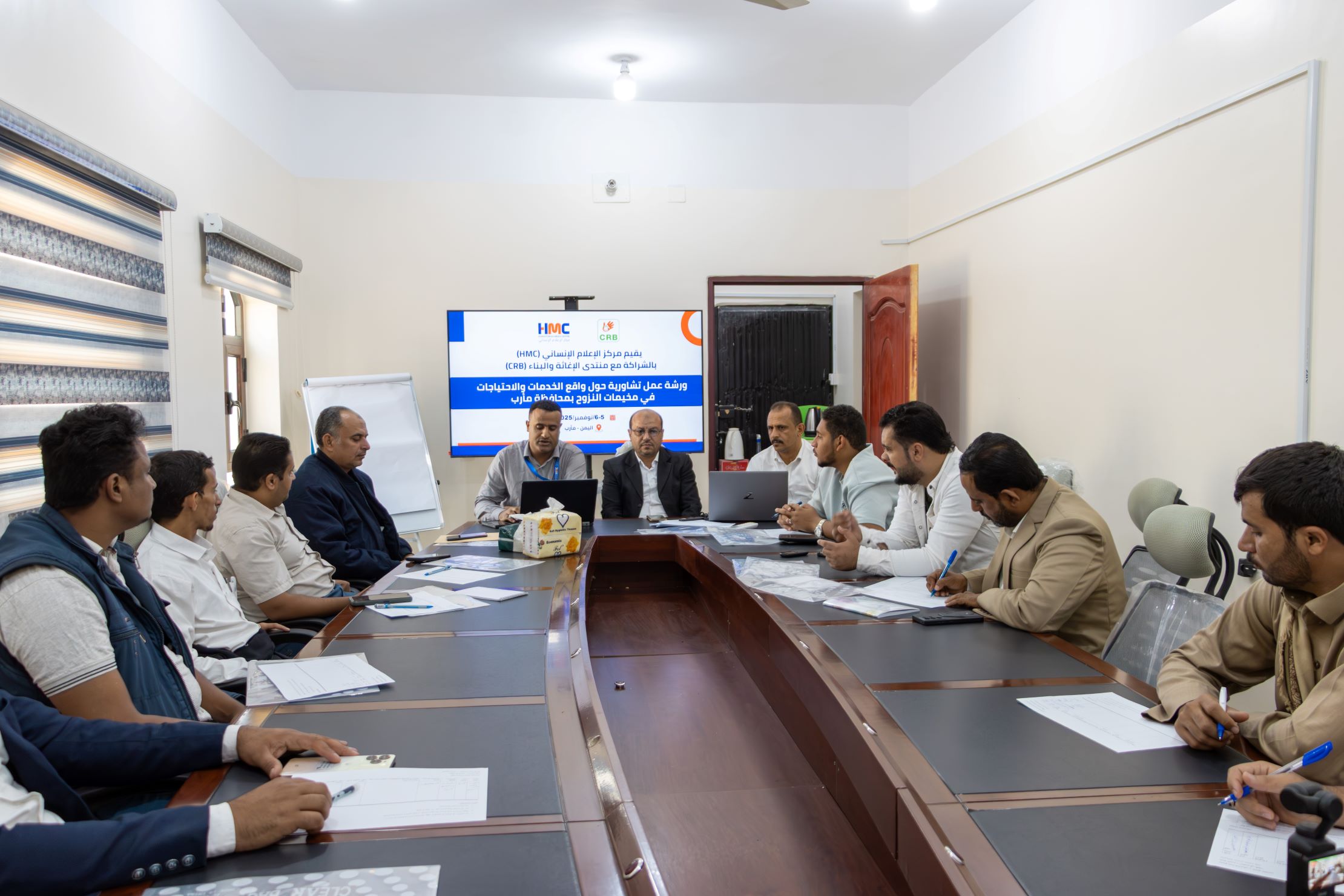
Report – Humanitarian Media Center (based on the IOM report)
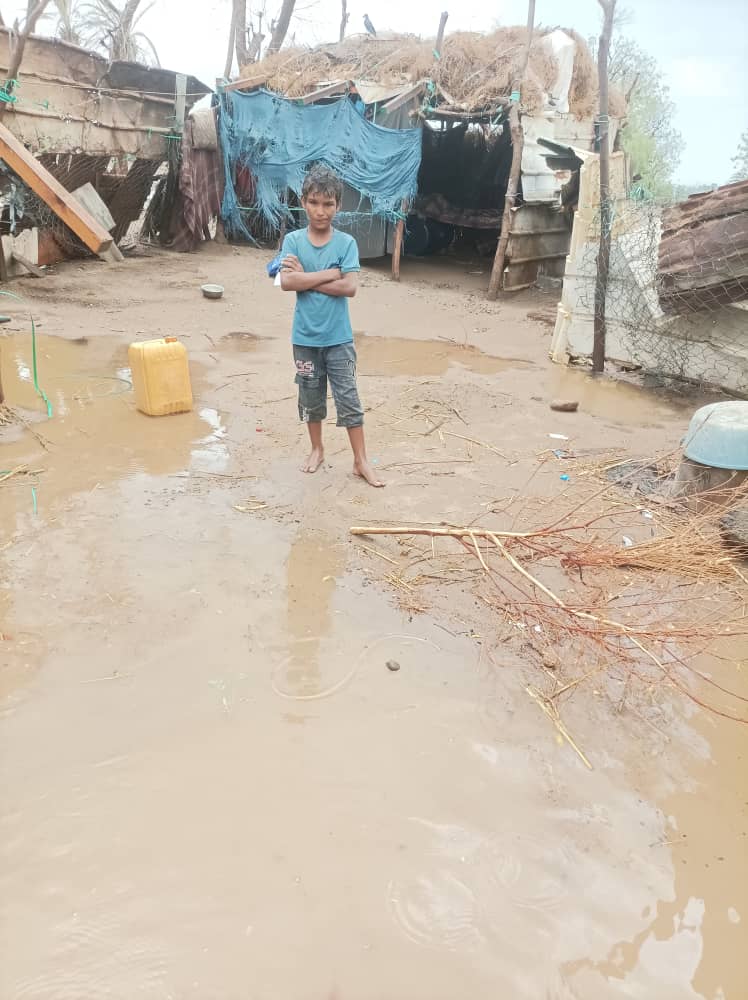
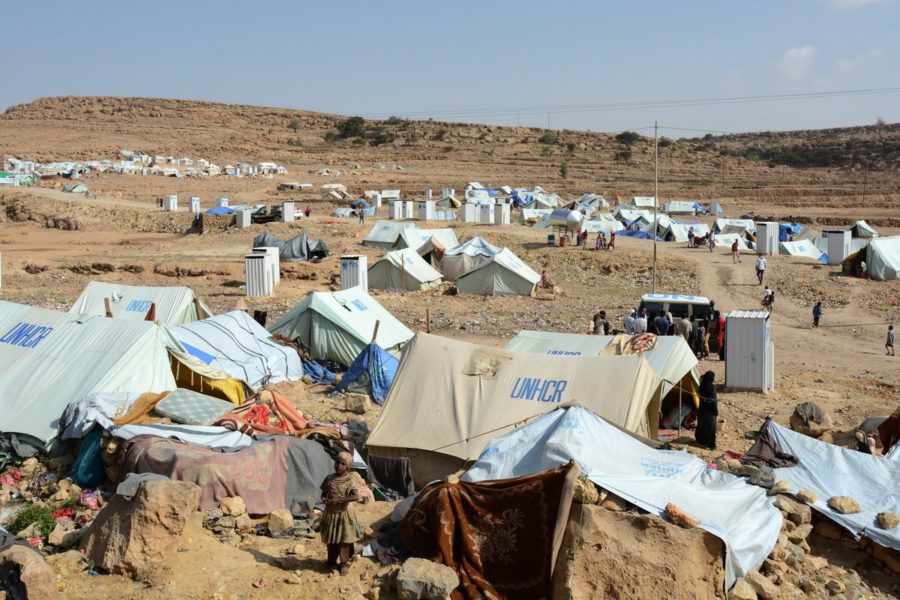
A recent study by the International Organization for Migration (IOM) highlights ongoing displacement in Taiz Governorate since the conflict began in 2015, revealing persistent challenges faced by displaced persons, returnees, and host communities alike.
Data from the Displacement Tracking Matrix (DTM) shows that more than 60,000 displaced families, approximately 419,000 individuals, remain in the governorate, alongside over 110,000 returnee families, nearly 771,000 individuals.
The study reveals that 69% of displaced persons prefer to stay in their current locations, while only 21% express a desire to return to their areas of origin. The remaining participants either have not yet made a decision or intend to settle elsewhere within Yemen.
To assess progress toward achieving sustainable solutions, IOM assessed the conditions of displaced families, returnees, and host communities across seven key indicators: safety, living conditions, livelihoods, property recovery, personal documentation, family reunification, and access to justice.
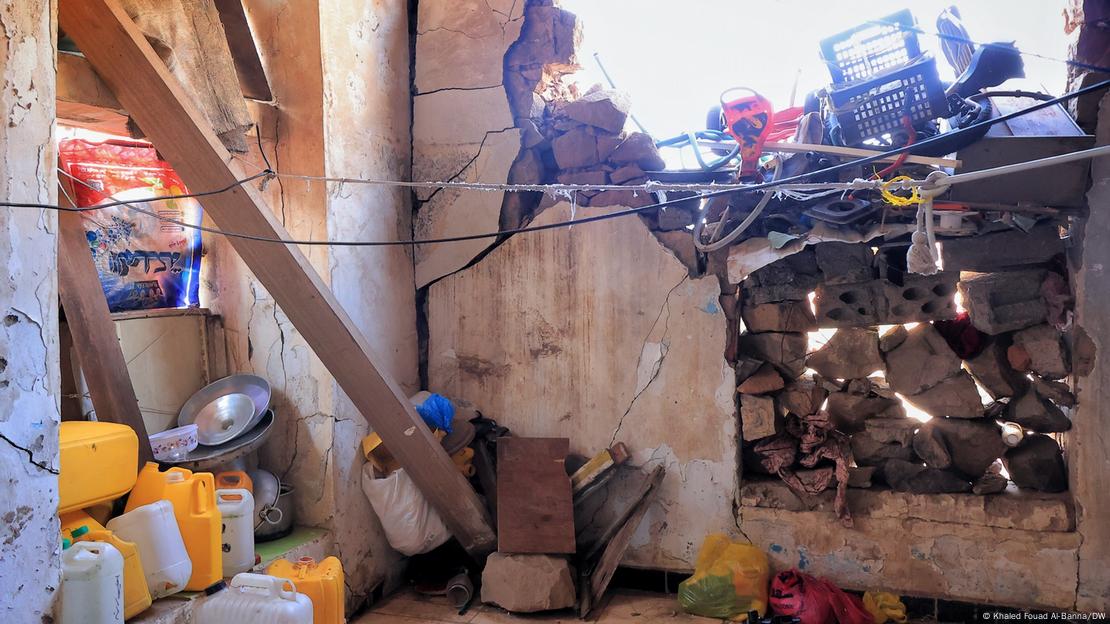
Findings indicate that access to personal documents remains the most significant barrier for all groups, followed by limited employment opportunities, unstable income, and inadequate access to essential services such as water, sanitation, and healthcare.
The study further shows that most displaced and returnee families fall under the “moderate progress” category, with only 1% and 2%, respectively, overcoming all vulnerability benchmarks. Host communities experience similar hardships, underscoring broader development needs beyond displacement.
The organization has identified priority areas for intervention, most notably Anbian in Al-Mudhaffar and Al-Suwayda in Al-Waziya districts, where all groups struggle to meet fundamental indicators, alongside other critical zones such as Jabal Habashi, Maqbanah, and Al-Silw.
The International Organization for Migration calls for intensified efforts to improve employment opportunities, ease the issuance of personal documents, and enhance access to water and healthcare services as vital steps toward establishing durable and stable solutions for displaced people and affected communities in Taiz.